How to Choose a Bespoke Tailor
Questions to ask, red flags to spot, what to look for in a portfolio, and why personal chemistry matters across the multi-fitting process.
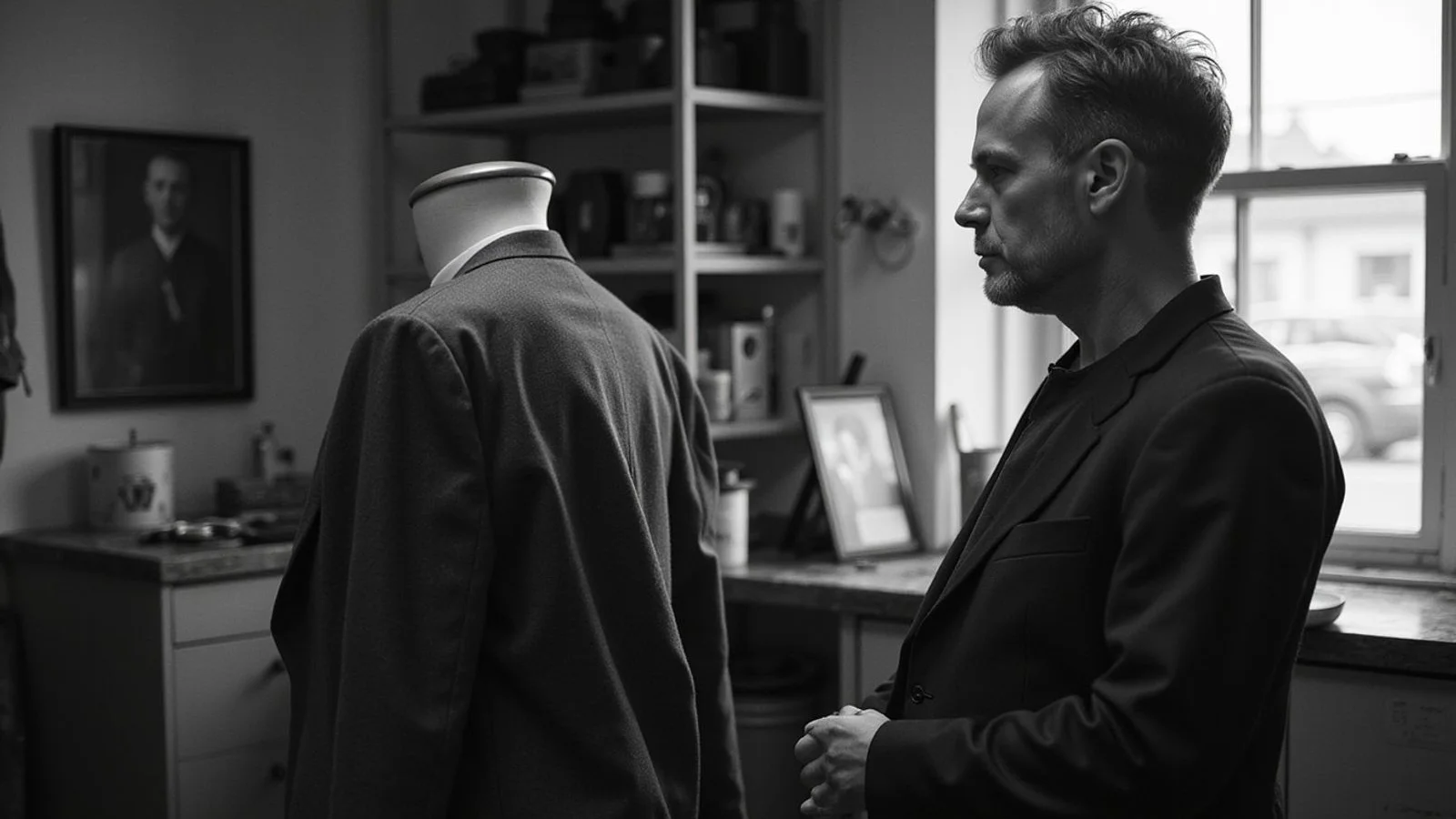
We see many business owners struggle to find clothing that commands respect in the boardroom.
Choosing a true custom tailor is a serious commitment. Our team knows this process requires six to eight weeks of workshop time, and usually costs between $2,000 and $4,000 CAD.
That high price tag makes a methodical selection process absolutely necessary. We will walk you through how to choose a bespoke tailor using a specific checklist, the warning signs to watch for, and practical ways to review actual work. The right knowledge ensures you receive true value for your investment.
The short vetting checklist
We use a specific set of bespoke tailor questions to ask during the very first call. A genuine workshop will answer all of these inquiries confidently in under two minutes. Our mandatory vetting checklist separates the master craftsmen from the aggressive sales teams. You should use these exact questions before handing over a deposit.
- On-site work. We ask if every stage from cutting to sewing is handled locally.
- Turnaround times. A timeframe of six to eight weeks is normal, while anything under three weeks is highly suspicious.
- Pattern retention. Our team always verifies if the 30 to 40 precise body measurements taken will be retained as a paper pattern for future commissions.
- Training background. True apprenticeships, like those on Savile Row, take three to five years just to master coat-making.
- Fittings and construction. We expect three to five fittings for a first-time client, and full canvas construction is mandatory.
- Honest scope. A reputable shop will openly tell a client when this level of tailoring isn’t the right fit.
Red flags
We watch for several distinct warning signs that indicate a shop is cutting corners. You can easily spot a disguised made-to-measure operation if you know what to look for. Our goal is to protect your investment from clever marketing tactics. The following issues should immediately prompt you to look elsewhere.
- “Custom in two weeks.” We know this timeline is structurally impossible for a first order.
- No visible workshop. If the cutting table is hidden away, the work is likely being sent to an overseas factory.
- Pressure at first appointment. Our experts advise walking away from demands for a deposit before you even look at fabric.
- Pattern-making outsourced. A shop that takes only 10 to 20 measurements and sends them off is just a made-to-measure brand.
- Generic credentials. We ignore vague terms like “award-winning” unless they attach a specific house name and year.
- Heavy discounting. Legitimate custom work has a hard cost floor, often starting around $3,500 CAD at places like Harry Rosen in Toronto.
Reviewing a tailor’s work
We evaluate potential tailors by handling their finished garments in the shop. A skilled artisan will gladly let you inspect their construction details up close. Our evaluation focuses on specific physical markers of quality. Pay close attention to these structural elements.
- Shoulder line. We check the side profile to ensure the shoulder sits cleanly over the point with no puckering.
- Collar gap. On a dress form, the jacket collar should sit completely flush against the shirt collar.
- Lapel roll. Our experts look for a soft curve created by hand, rather than a flat, machine-pressed crease.
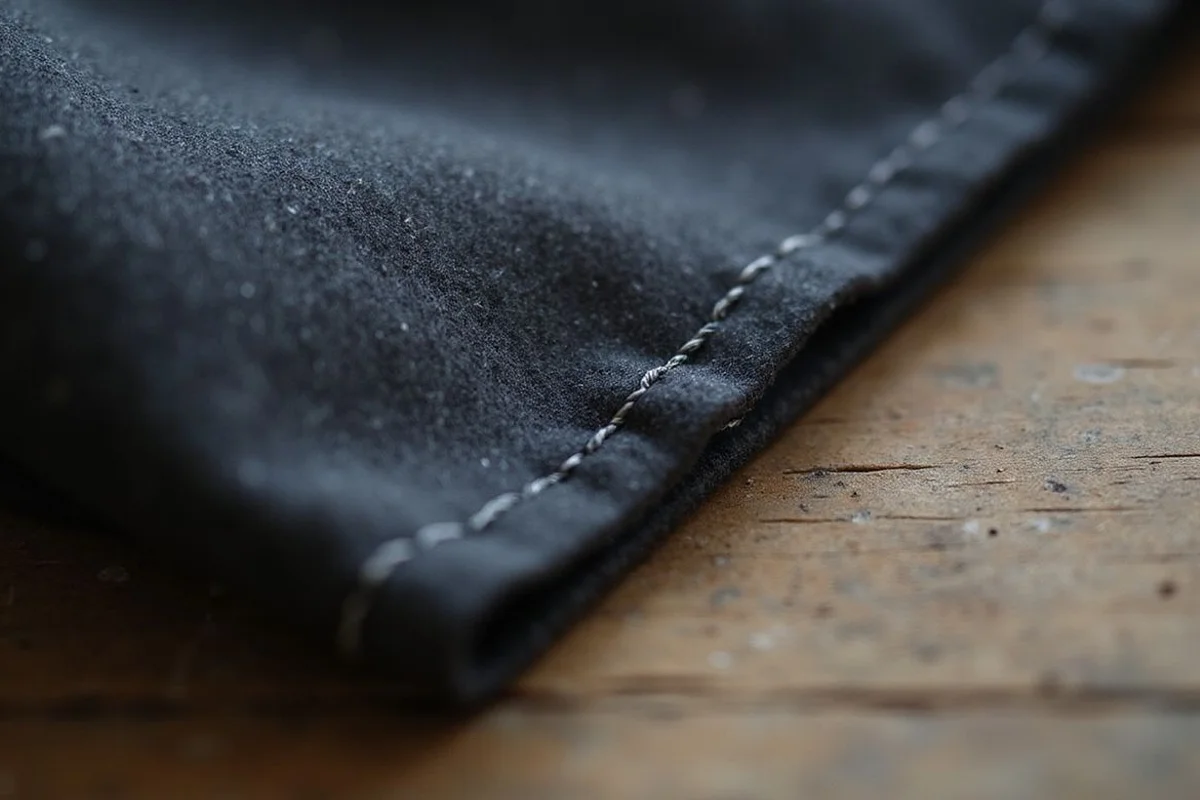
- Buttonholes. True hand-stitched buttonholes are cut first, then stitched using waxed silk thread for strength and a slight irregularity.
- Pick-stitching. We verify the presence of subtle, small stitches along the lapel edge and pocket flaps.
- Canvas check. Pinch the chest cloth and lining as described in canvas construction full vs half vs fused.
Why chemistry matters
We consider the personal dynamic with your tailor to be just as important as their cutting skills. You will spend hours with this person across multiple fittings.
Our standard timeline involves seeing the artisan at least three times for measurement, the basted fitting, and the final adjustment.
During these visits, you will put on a half-built jacket and be asked what feels incorrect. We know that if you cannot speak honestly, the tailor cannot correct the garment.
A good working relationship is quiet and professional. Our team finds that the tailor does most of the listening during the first appointment.
By the fifth meeting, they will be doing most of the talking regarding construction choices. We strongly recommend walking out if the first meeting feels rushed, overly promotional, or performative.
One-on-one workshop vs retail-floor MTM
Traditional one-on-one workshops represent the purest form of the craft. Our preferred approach is this dedicated model, where you and the craftsman share the space without retail distractions. Fittings happen on a sample dress form and in front of a private fitting mirror. We value the privacy of not having another customer measured on the opposite side of a thin partition.
A retail-floor made-to-measure operation works quite differently. Our experience shows these are often high-traffic stores with multiple clients in the shop simultaneously. Staff members handle the measurements, and the actual pattern matching happens in an entirely different facility. We conclude that while the final product can be very good, the underlying process is fundamentally different.
The Numbers Behind the Fit
This data helps clarify exactly what separates the two experiences.
| Feature | Traditional Workshop | Retail Made-to-Measure |
|---|---|---|
| Average Cost (CAD) | $2,000 to $3,500+ | $800 to $1,500 |
| Measurements Taken | 30 to 40 data points | 10 to 20 data points |
| Required Fittings | 3 to 5 sessions | 1 to 2 sessions |
| Pattern Creation | Drafted from scratch | Adjusted from a template |
Our team always advises checking local directories for specific regional talent. For business owners in Victoria specifically, see how to find a trustworthy tailor in Victoria for the local vetting angle.
What makes David different (as an example)
We look at practitioners like David to demonstrate what a legitimate artisan background looks like. He operates as a third-generation craftsman who apprenticed directly on Savile Row in London.
Our review of his credentials shows he works as both a cutter who drafts the fit and a coat-maker who handles the construction. This represents the full discipline, rather than just the client-facing sales side.
We note that his Fort Street workshop has been running since 2015. Every single suit is drafted, cut, and sewn entirely on-site.
Verifying a True Master
Our team uses this exact profile as the benchmark for finding the best bespoke tailor canada offers. Apply this rigorous frame to any shop you are currently considering.
We find that the answer will either come back as a specific lineage of training, or it will be exposed as pure marketing. To book a consultation and verify these standards yourself, see our bespoke suits service and the Savile Row method for a longer look at what the training entails.
Common questions
What's the single most important question to ask a bespoke tailor?
+
Is every stage — pattern, cutting, and sewing — done on-site by you or your team? A direct yes with specifics (who drafts, who cuts, where the workshop is) is the baseline. Any hedging or reference to 'partners' means the work is being sent out.
How do I review a tailor's portfolio if I don't know what to look for?
+
Look at the collar gap at the back of the neck on a finished suit, the shoulder line from the side profile, and the pick-stitching along the lapel edge. Those three details reveal whether the pattern-drafting and hand-work are at bespoke level.
Is chemistry really worth weighing?
+
Yes. You'll share three or four fittings with this person and you need to tell them honestly what feels wrong. If you can't do that comfortably, the fittings won't produce the suit you want.
More from this cluster
Bespoke Suit Cost in British Columbia
BC bespoke pricing: $1,800 everyday British wool through $4,500 flagship Italian. What drives cost, Vancouver comparisons, payment structure.
InformationalThe Bespoke Suit Process: Step by Step
Consultation, measurement, fabric, basted fitting, final fitting, delivery — every stage, what you do, and what the workshop does in between.
InformationalBespoke Suits for Hard-to-Fit Bodies
Broad shoulders and narrow waist? Short stature? Asymmetric shoulders? How hand-drafted bespoke addresses each — and realistic expectations.
Decision stageBespoke vs Made-to-Measure vs Off-the-Rack: What's the Real Difference?
Side-by-side comparison of pattern source, fittings, construction, price, and turnaround — and an honest take on which tier is right for which buyer.
Questions beyond what's here?
Free thirty-minute consultations on Fort Street. We'll answer your specific questions and give you a realistic quote.