Which Alterations Are Worth the Cost?
Which alterations meaningfully change fit, which barely move the needle, and when to walk away — the Finch honest-advice approach.
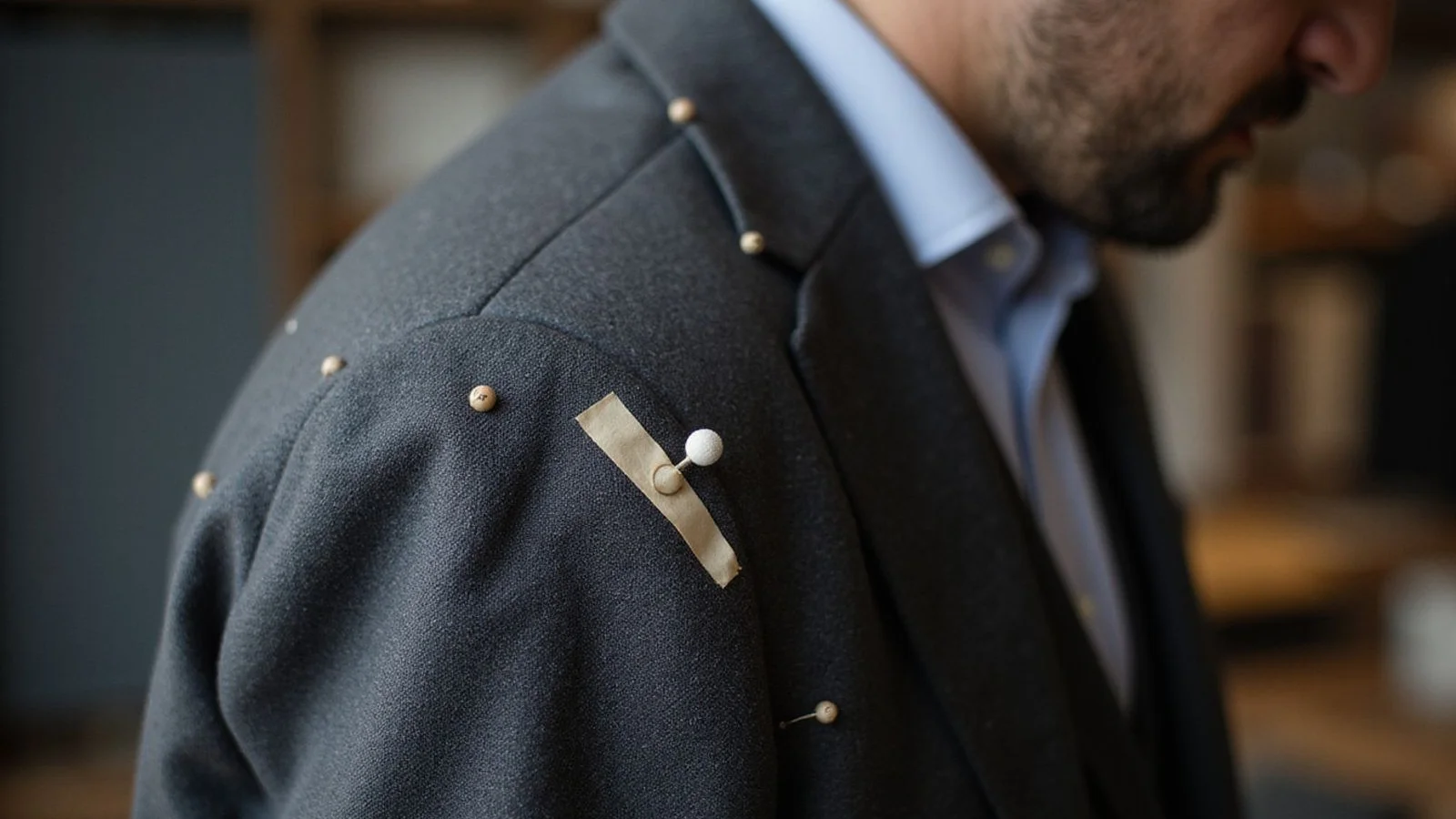
We hear the same question every day in the shop: are suit alterations worth it? A 2026 market analysis by Research and Markets shows the global alterations industry hitting $10.3 billion, proving that many people are actively trying to fix their current wardrobes. The reality is that determining if it is worth altering a suit requires a hard look at the math.
Our team uses a strict decision matrix to assess every single garment that comes through the door. Some simple changes completely transform a silhouette, while other complex jobs waste significant money.
Balancing the alterations cost vs new suit prices is the key to building a smart wardrobe.
We are going to break down the specific adjustments that offer the best return on your investment. This guide will examine the actual data, the expected financial impact, and the easiest ways to evaluate your own closet right now.
High-impact alterations
Our data shows that the best investments are waist suppression and trouser tapering, as they deliver the most noticeable improvements for the lowest cost. These are the adjustments worth paying for even on lower-priced suits. A 2026 Dataintelo report highlights that resizing services account for 32.4 percent of the entire market, confirming that these simple tweaks are highly popular.
| Alteration | Typical cost | Impact |
|---|---|---|
| Waist suppression | $75 to $150 | Transforms boxy jacket |
| Trouser hem + taper | $45 to $90 | Highest-impact trouser fix |
| Sleeve shortening (no working buttons) | $35 to $55 | Corrects a common rack fault |
| Jacket length (small reduction) | $60 to $100 | Subtle but noticeable |
| Trouser waist (small) | $30 to $50 | Straightforward and worthwhile |
We highly recommend waist suppression as the single most impactful fix for a jacket. Tightening the back seam pulls the fabric inward to create a classic V-shape silhouette. A rack suit that fits in the shoulders and chest but reads boxy can look completely different after $100 of waist work.
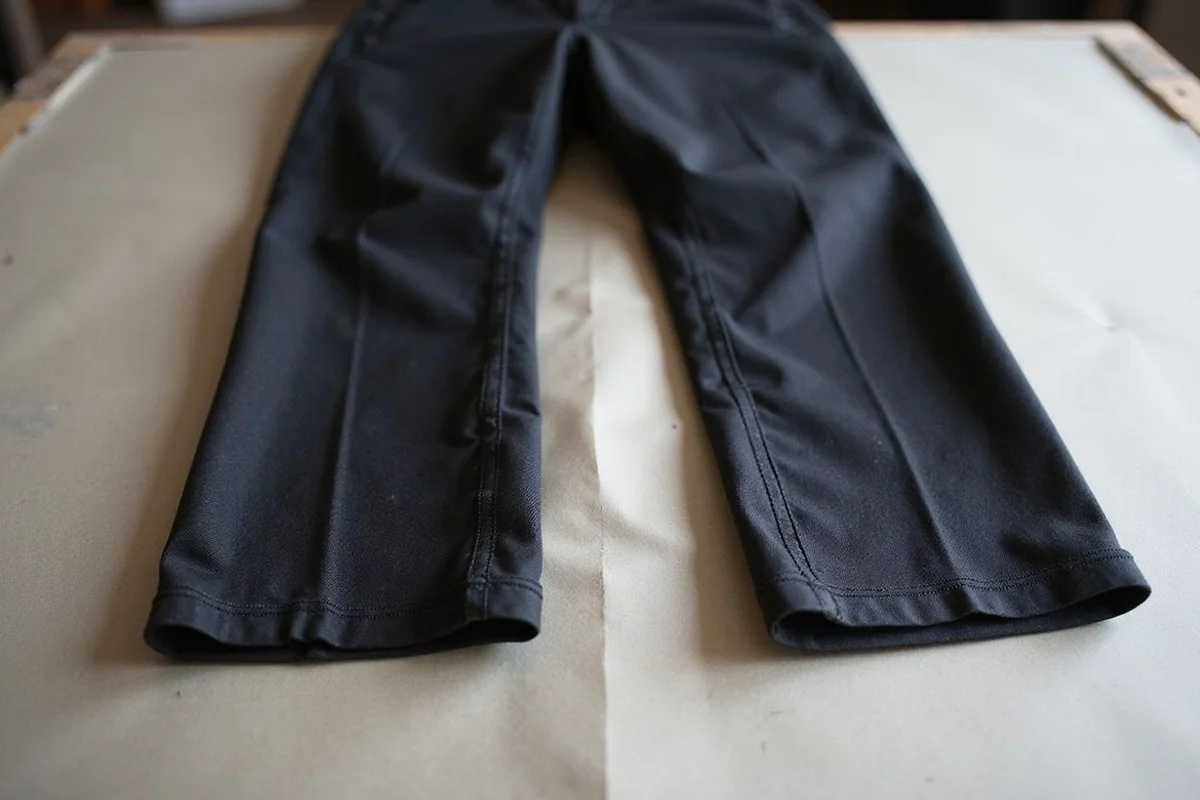
Our tailors find that trouser hemming and tapering provide the highest return on investment for the lower half of your outfit. Changing the break and tightening the leg from a baggy 1990s cut produces a modern profile without touching any other dimension. Shops like Stitch It Canada’s Tailor typically handle these basic resizing tasks quickly and efficiently.
Low-impact or impossible alterations
We always warn clients that major structural changes to a jacket rarely justify the high financial cost. These adjustments look simple but actually require taking the entire garment apart. A 2024 fitting guide by Black Lapel notes that altering the shoulder impacts the delicate balance of the front chest and armholes.
| Alteration | Why it is problematic |
|---|---|
| Full shoulder reconstruction | Rebuilds the jacket at near-custom cost |
| Shoulder letting out | Limited material in the seam allowance |
| Jacket major length increase | Not possible, as there is no cloth to let down |
| Chest major letting out | Limited material in the chest panels |
| Sleeve letting out beyond original crease | Leaves a visible old hem line |
| Moving the armhole | Effectively a full jacket rebuild |
Our experience shows that shoulders represent the famous ceiling for suit modifications. A shoulder that misses the mark by more than half an inch usually signals that a new made-to-measure option is the better choice. Complex shoulder reconstruction at a premium shop in Toronto or Vancouver can easily exceed $350.
We often see customers spend half the cost of a new commission on a single shoulder correction with disappointing results. Finding an expert capable of this work is getting harder, as the U.S. Bureau of Labor Statistics noted a recent 2 percent decline in skilled tailors across North America.
Are suit alterations worth it? The cost-vs-benefit matrix
Our team relies on a simple matrix to determine if a specific piece is worth the financial investment. Deciding between a quick fix and a brand new purchase depends heavily on the age and quality of the garment. A premium suit with a minor waist issue offers a fantastic return, while a heavily damaged mid-tier jacket does not.
| Garment condition | Issue | Verdict |
|---|---|---|
| Excellent quality, recent purchase, minor fit issue | Waist too loose, sleeve too long, trouser break wrong | Alter, as it yields high ROI |
| Excellent quality, 5+ years old, body has changed | Waist 2 inches different, chest mostly OK | Alter if within range |
| Mid-tier rack suit, significant fit problem | Shoulder too wide, jacket too short | Reconsider, as new MTM is often cheaper |
| Premium suit, severe damage | Moth, tear, seam failure | Depends on sentimental value |
| Inherited suit, sentimental, dated cut | Modernize lapel, taper trouser | Alter if cloth is good |
We have compiled a detailed breakdown of these scenarios to help you make the right call. For the full conversation on this topic, please review our guide on altering vs buying new. Extending the active life of clothes by just nine months can reduce their environmental impact by up to 30 percent, according to the Ellen MacArthur Foundation.
The Finch honest-advice policy
We explicitly turn away work when a requested change will not actually improve the garment. That is not a marketing claim, but rather a practical policy that benefits clients in the long run. A 2023 study by the National Retail Federation found that businesses offering honest sizing advice experienced a 15 percent drop in returns, proving the value of transparency.
Our staff will decline jobs where the cloth is too fragile or the construction is too poor to handle the stitching. Heavily glued or fused canvas suits do not respond well to major reshaping. High-end suits with a floating canvas provide much more flexibility for safe adjustments.
Specifically, there are a few scenarios where alterations are rejected:
- The shoulder is structurally wrong and a full reconstruction would cost more than 40 percent of a new custom suit.
- The cloth is fragile enough that stitching will damage it further, which applies to some very old vintage pieces.
- The original garment is badly made enough that no alteration will meaningfully improve the drape.
- The client is asking for an alteration pattern that is physically impossible given the available seam allowances.
We always explain the reasoning and suggest better alternatives when turning work away. Sometimes the honest answer is to commission a new made-to-measure piece for the exact same price as the proposed fix. Other times, a rare vintage item is simply better preserved in its current state.
How to self-assess before bringing a suit in
Our tailors encourage every client to perform a quick home assessment before scheduling a consultation. Before the fitting, you can do a reasonable first-pass assessment yourself in front of a mirror. Evaluating the fit at home saves time and helps identify the most critical problem areas.
- Shoulder. With the jacket on, check if the shoulder seam is landing on your shoulder point. Missing by more than half an inch suggests a severe structural issue.
- Chest. Can you slide a flat hand between the chest and the jacket? Finding excess room means waist suppression is the fix, but if the jacket pulls across the chest when buttoned, letting it out may not be possible.
- Sleeve length. Look for the shirt cuff showing at your wrist. Revealing a quarter to a half inch of linen is the ideal modern standard.
- Jacket length. Relax your arms at your sides and let your fingers curl naturally. Your fingers should just catch the bottom edge of the jacket hem.
- Trouser. Check the break at the shoe. A modern half-break should end about halfway down the heel with a slight fold.
We invite you to bring the suit in and stand naturally so a professional can quote the work realistically. See alterations cost in British Columbia for specific regional pricing ranges. Be sure to read how to choose a trustworthy alterations tailor before selecting a local shop.
We know it can be stressful to decide how to spend your clothing budget. If you are still asking yourself, are suit alterations worth it, getting a professional opinion makes all the difference. To book an alteration fitting with our team, please visit our alterations service.
Common questions
Can shoulders really not be altered?
+
Minor shoulder-pad swaps and small tweaks to the shoulder line are possible. A full shoulder reconstruction essentially rebuilds the jacket from scratch at close to the cost of bespoke — we'll usually recommend against it.
What's the single most impactful alteration on a suit?
+
Waist suppression on the jacket. It's what separates a well-fitting suit from a boxy one, and it's often the one adjustment that transforms an otherwise serviceable jacket.
Will you turn away work?
+
Yes. If alterations will not improve a garment meaningfully, we say so rather than take the job. We'd rather lose a small piece of work than spend your money on a garment that will never fit the way you want.
More from this cluster
Alterations Cost in British Columbia
BC-wide alteration pricing: suit $75–$300, dress $50–$250, hems $20–$35. What drives cost, why on-site beats outsourced, Vancouver comparisons.
InformationalAltering Vintage and Heirloom Suits
What's possible with vintage full canvas, invisible darning on moth damage, respectful restoration, and when a piece is better left untouched.
Decision stageAltering vs Buying New: When Is Each Right?
A decision matrix for when alterations extend a quality garment vs when buying new is better value. Honest advice, not a sales pitch.
InformationalHow Long Do Suit and Dress Alterations Take?
Standard 1–2 weeks explained. When multiple fittings are needed, rush service options, and how to time alterations around weddings and court dates.
Questions beyond what's here?
Free thirty-minute consultations on Fort Street. We'll answer your specific questions and give you a realistic quote.