Altering Vintage and Heirloom Suits
What's possible with vintage full canvas, invisible darning on moth damage, respectful restoration, and when a piece is better left untouched.
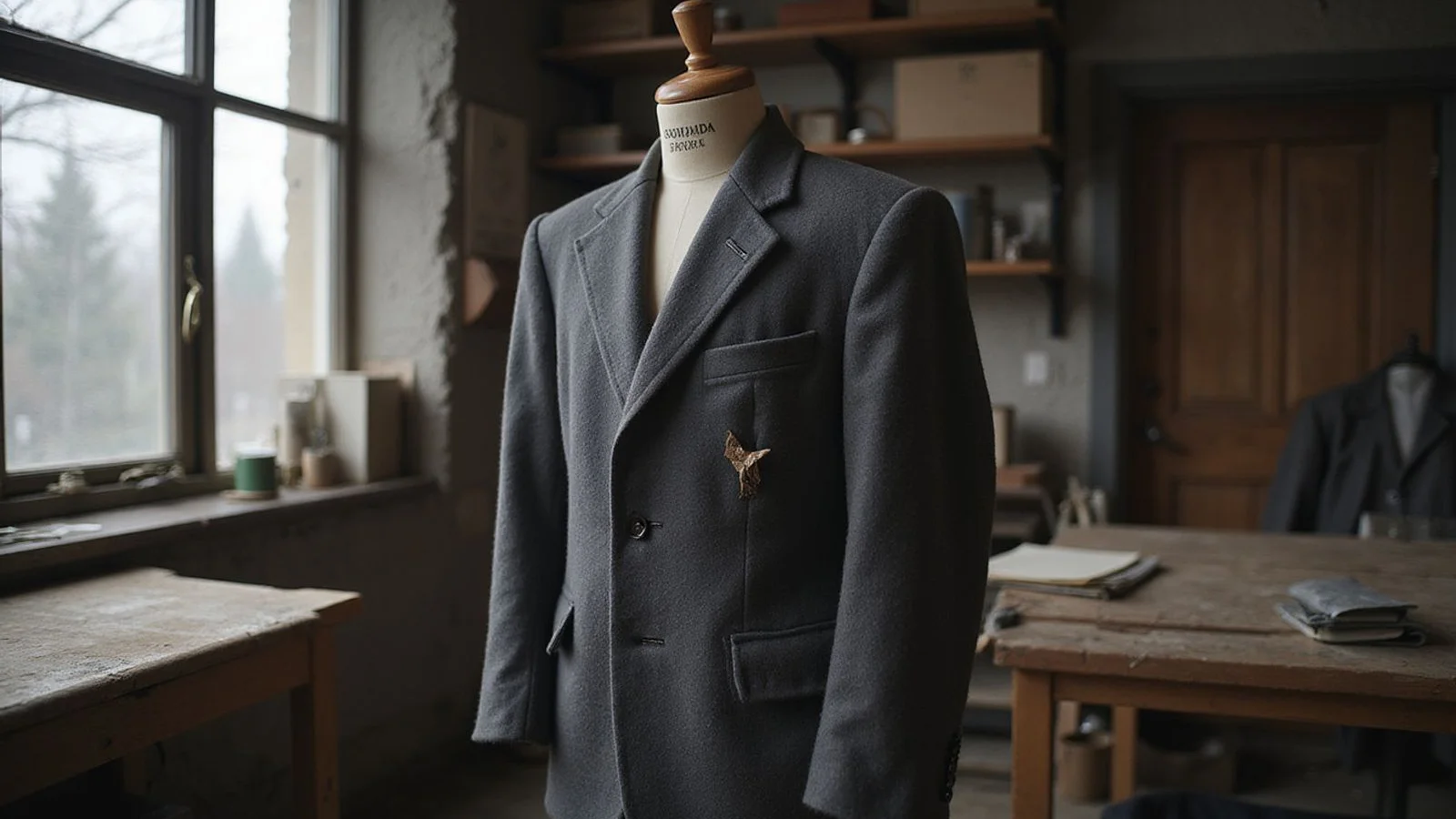
We handle vintage suit alterations Victoria residents request quite often, and these older garments require a completely different approach than off-the-rack clothing. A 1960s full-canvas wool three-piece suit usually outshines modern construction, but decades of wear create unique challenges. The standard fitting methods used today rarely fix these age-related issues cleanly.
Our clients know the value of preserving history.
The process of altering father and grandfather suits requires respectful restoration to keep them wearable for another decade.
For example, Catherine L. brings her family pieces to us for annual checkups. We recommend looking at the data behind why these fabrics degrade before making any decisions. The following guide explores practical ways to respond when you hire an heirloom suit tailor Victoria locals rely on.
What makes vintage different
We notice that suits constructed before 1985, and especially before 1970, follow a completely different set of manufacturing rules. Modern off-the-rack garments are often glued together, saving factories time but sacrificing longevity. Our team relies on the traditional methods built into these vintage pieces to give them a second life.
You will find three major differences when opening up a mid-century garment:
- Full canvas construction was standard. Most mid-20th-century formalwear used a floating inner layer made of horsehair and cotton. This full canvas means the chest shape can still be adjusted, and the jacket drape responds to skilled hand-work exactly like a modern custom commission.
- Generous seam allowances. Vintage garment makers typically built in 1.5 to 2 inches of extra fabric at the seams because bodies were expected to change over time. This generous allowance gives you the material to let out, take in, or lengthen the suit.
- Hand-finished details. Pick-stitched lapels, hand-sewn buttonholes, and hand-rolled cuffs were standard practice. Restoring these specific features preserves the original character rather than replacing them with machine-stitched shortcuts.
Common vintage issues
We see specific patterns of damage when assessing mid-century textiles, most commonly involving moth holes, dry rot, or degraded linings. Fabric degradation happens naturally over decades, but identifying the exact structural failure helps determine the correct repair method. For cases where the damage is too extensive to justify the work, our guide on whether an alteration will ruin a garment explains when we will tell you honestly that restoration isn’t the right path.
Moth damage
We frequently encounter damage from the Tineola bisselliella, commonly known as the webbing clothes moth, which thrives in coastal British Columbia. The adult moths are harmless, but their larvae aggressively consume animal fibers like wool and silk. Our repair approach depends entirely on the size of the feeding damage.
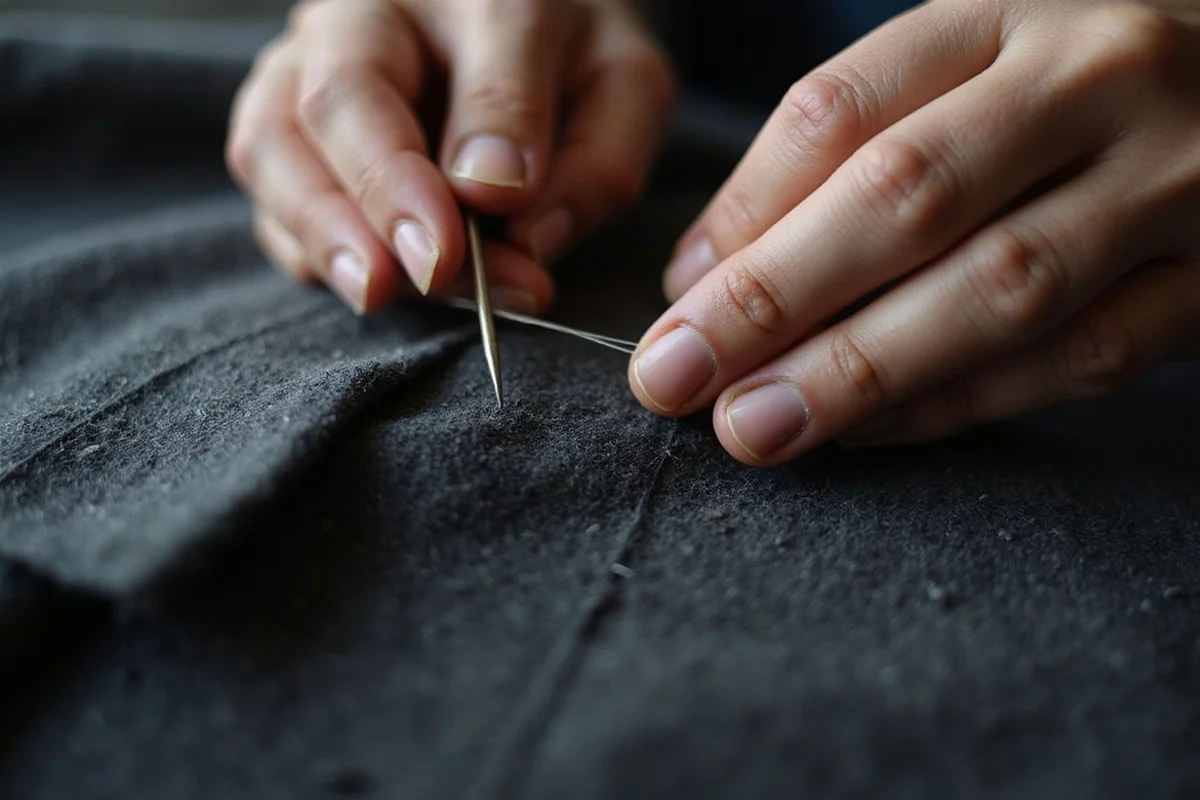
- Small holes (under 3mm): Invisible darning is the best solution. A matching yarn is drawn through the surrounding weave to fill the hole, rendering the repair undetectable at a short distance.
- Medium holes (3 to 10mm): Re-weaving becomes necessary. A small piece of cloth is taken from an inside seam or a hidden pocket area to patch the gap.
- Large holes (over 10mm): Honest assessment is required at this stage. Sometimes a structural repair works, but often the cloth is too compromised to fix discreetly.
Fabric fragility
We always test the fabric’s tensile strength before committing to needlework, as dry rot can make vintage wool completely unworkable. A 2022 materials study confirmed that prolonged UV exposure and high humidity can reduce wool’s structural strength by up to half. The cloth eventually becomes papery and tears under very light stress.
Our team looks for localized fragility around pockets or cuffs, which can often be reinforced with hidden backing materials. Systemic fragility across the entire garment usually means it is not safely alterable.
Shoulder pad decay
We replace degraded shoulder pads on almost every mid-century jacket that comes through the door because the original cotton batting breaks down. Original pads from the 1950s and 1960s were typically constructed from cotton-wool blends that compress into hard lumps over decades. Replacing these with period-appropriate layers immediately restores the original jacket drape.
Lining failure
We often see interior linings shatter long before the exterior wool shows any wear, requiring a full interior replacement. Vintage silk and early rayon from the 1950s simply cannot withstand decades of friction and sweat. Our preferred replacement material is Bemberg cupro, a high-quality fabric made from cotton byproducts.
This specialized material feels like silk but offers superior durability and moisture control. Re-lining a vintage jacket usually takes two to three hours. We find this update preserves the garment for another several decades.
Dated cut
We frequently get requests to modernize the exaggerated silhouettes of the past, such as narrowing the lapels or shortening the jacket length. Deciding whether to perform these updates requires balancing the garment’s historical character against its daily wearability. The table below outlines the stark differences between vintage and contemporary suit proportions.
| Feature | Vintage 1970s Proportion | Modern 2026 Proportion |
|---|---|---|
| Lapel Width | 4.0 to 4.5 inches | 3.0 to 3.25 inches |
| Trouser Fit | Wide or flared leg | Tapered leg profile |
| Jacket Length | Drops fully past the seat | Rests at mid-seat |
Our specialists discuss these specific measurements openly with you before making any changes. An aggressive alteration to force an older jacket into a 2026 silhouette often ruins the balance.
The restoration philosophy
We operate on a strict rule of preservation first and adaptation second, meaning we avoid cutting original cloth whenever possible. A garment that has survived sixty years deserves careful consideration. The historical craftsmanship built into the piece dictates how it should be handled. Our specific preservation practices include:
- Saving original details like bone buttons and manufacturer labels whenever possible.
- Keeping generous seam allowances intact rather than trimming them down.
- Recommending acid-free archival boxes for highly fragile items.
- Avoiding alterations that cut the original exterior cloth.
Following museum-grade textile standards, garments are safest stored at roughly 45 percent relative humidity. Proper home storage prevents the wool fibers from drying out and cracking.
When not to alter
We actively recommend against altering a garment if the fabric is too fragile to hold new stitches. Turning away business might seem counterintuitive, but forcing a needle through decaying fabric ruins the piece entirely. You should decline alterations under the following conditions:
- The cloth is too fragile to handle the stress of new stitching.
- The garment has severe structural damage, such as a shattered horsehair chest canvas or widespread moth holes.
- The piece is considered museum-grade, like a pristine pre-1950 gabardine suit with zero signs of wear.
- The requested alteration would destroy a characteristic period feature, like removing a ticket pocket on an authentic 1930s jacket.
Our front desk turns down about one in six vintage pieces brought in for fitting. Standard dry cleaning, professional pressing, and careful storage are usually the best steps for fragile items. We always provide a detailed explanation when suggesting preservation over sewing.
Restoration rather than alteration
We treat restoration as a completely distinct service from standard alteration, focusing entirely on preserving the garment’s condition rather than just changing its fit. Restoration addresses the physical health of the textile through specialist cleaning, darning, and lining replacement. A comprehensive restoration package generally includes:
- Specialist dry-cleaning and ozone treatment to remove odours without harsh chemicals.
- Moth hole repair and precise invisible darning.
- Shoulder pad replacement using traditional cotton batting.
- Lining replacement with breathable Bemberg cupro.
- Button replacement using period-accurate horn or corozo materials.
- Professional pressing, steaming, and final hand-finishing.
Our typical quotes for a full restoration on a mid-century, full-canvas wool suit run between $300 and $800, depending on the required labour. This figure represents a preservation investment rather than a simple fitting fee. For detailed concerns about whether cutting and sewing might damage a fragile piece, please read through will alterations ruin my garment.
Our booking calendar requires you to mention if the item is a family heirloom. To bring a vintage piece in for assessment, please visit our alterations service and select the longer appointment window.
Common questions
My father's suit smells of mothballs. Can it be cleaned?
+
Yes. We send vintage pieces to a specialist dry cleaner (not a general one) for a gentle clean before any structural work. The mothball smell dissipates with treatment and airing; the construction is preserved.
Can you match the original buttons if some are missing?
+
Usually yes. We keep an archive of vintage horn, nut, and leather buttons for close matches. Perfect matches are rare; close matches that look intentional are achievable for nearly all mid-20th-century pieces.
What if the fabric tears during alteration?
+
We assess fabric strength before committing. If the cloth is fragile we test on a small seam before full work. If we believe the tear risk is high, we tell you so and recommend restoration-only (stabilising the piece rather than altering it).
More from this cluster
Alterations Cost in British Columbia
BC-wide alteration pricing: suit $75–$300, dress $50–$250, hems $20–$35. What drives cost, why on-site beats outsourced, Vancouver comparisons.
Decision stageAltering vs Buying New: When Is Each Right?
A decision matrix for when alterations extend a quality garment vs when buying new is better value. Honest advice, not a sales pitch.
InformationalHow Long Do Suit and Dress Alterations Take?
Standard 1–2 weeks explained. When multiple fittings are needed, rush service options, and how to time alterations around weddings and court dates.
Decision stageHow to Choose a Trustworthy Alterations Tailor
What separates a trained tailor from a retail counter, how to spot outsourced work, and why on-site workshops actually matter for accountability.
Questions beyond what's here?
Free thirty-minute consultations on Fort Street. We'll answer your specific questions and give you a realistic quote.