Thomas Mason vs Albini Shirting
Thomas Mason's English heritage vs Albini's Italian softness — weave types, two-ply vs single-ply, and matching fabric to wear occasion.
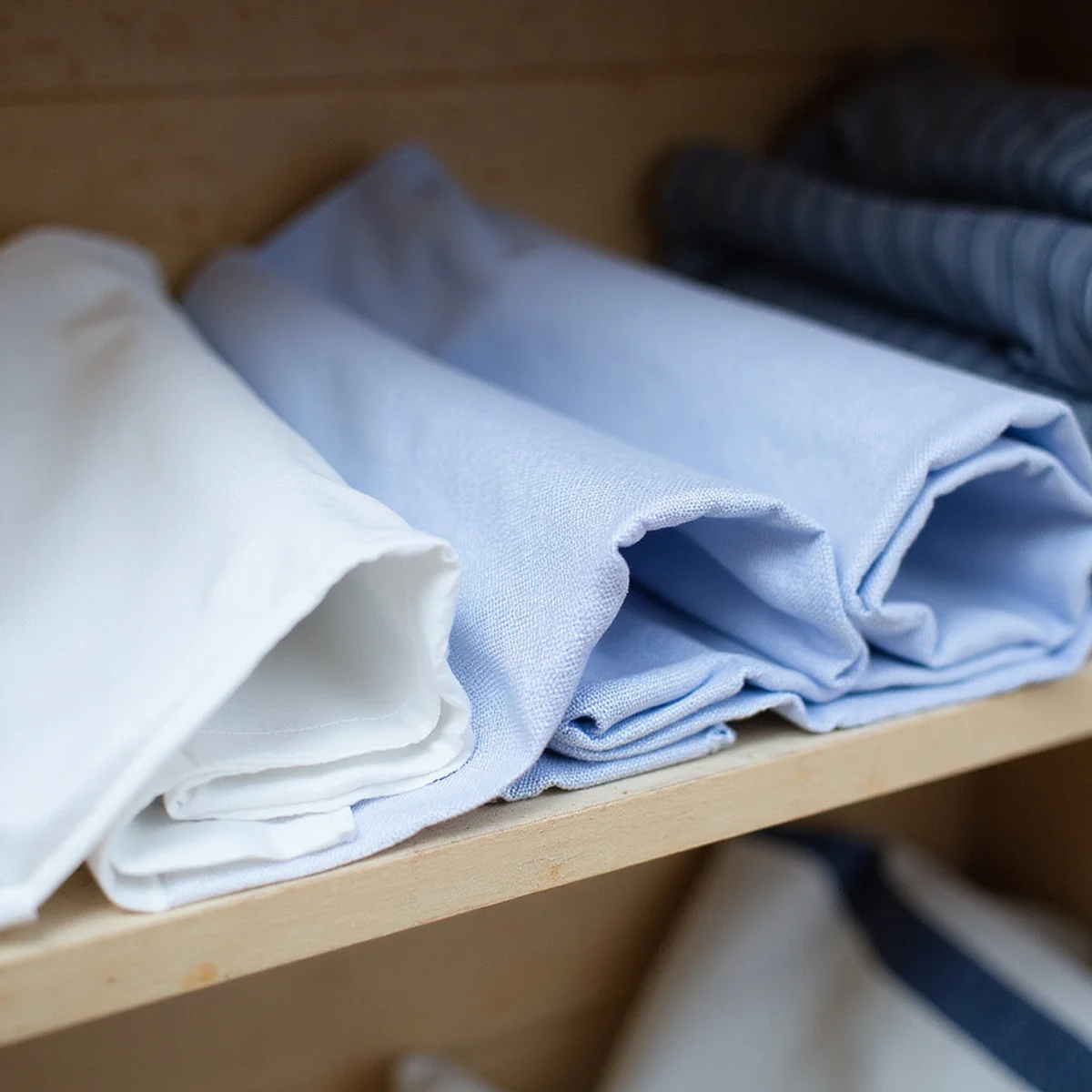
Our team regularly hears the debate over thomas mason vs albini shirting in the fitting room. The shop stocks two iconic mills for custom shirts: Thomas Mason (England, est. 1796) and Albini (Italy, est. 1876). Both names represent the pinnacle of the textile industry.
We know that choosing the best shirt fabric simply means matching the cotton to your work environment. The choice between English structure and Italian drape often defines your daily comfort. If you are still sizing up the broader craft differences, our guide on what makes a custom shirt different from off-the-rack explains why fabric choice only matters once the pattern and construction are right.
Let’s compare the data on these two mills, examine technical weave differences, and outline a practical starter rotation.
The short version: thomas mason vs albini shirting
A quick comparison reveals distinct regional differences. The table below breaks down the essential traits of English vs Italian shirting.
| Attribute | Thomas Mason | Albini |
|---|---|---|
| Country | England | Italy |
| Hand | Crisp, dry, substantial | Softer, more fluid |
| Collar behaviour | Holds structure well | Drapes softly |
| Formality | Traditionally more formal | Traditionally softer/casual |
| Signature weaves | Poplin, twill, end-on-end | Twill, Oxford, end-on-end |
| Sustainability Focus | Organic cotton expansion | 36% less water used in 2023 |
| Typical wear | Business daily, court | Business casual, weekends, shoulder-season |
| Price tier (at Finch) | $195 to $350 | $215 to $350 |
Thomas Mason: English heritage
Thomas Mason produces structured, formal fabrics that maintain their shape throughout a long workday. This Lancashire mill has operated since 1796, specializing in crisp textiles that hold up perfectly under a suit jacket.
Our clients who need authoritative business wear frequently request this mill. The house character features a dry, substantial feel that keeps a collar sharp. A perfect example is the flagship Goldline collection. This premium line utilizes Giza 45 Egyptian cotton to create a 140s 2-ply finish that feels incredibly smooth.
Signature cloths we hold:
- Poplin: The workhorse option. Smooth, formal, and excellent under a jacket.
- Twill: Slightly heavier fabric. This material holds a crease exceptionally well in the collar and cuff.
- End-on-end: Alternating coloured warp threads produce a subtle textural look.
- Oxford: Heavier and highly versatile. This option excels for sport shirts worn under a blazer.
We strongly recommend these English cloths for daily office wear, formal events, and court appearances. Buyers wanting the traditional crisp white shirt presence will find exactly what they need here. Recently, the mill has expanded its organic cotton offerings. This eco-friendly shift provides a breathable, hypoallergenic fabric without sacrificing that famous British rigidity.
Albini: Italian softness
Albini specializes in softer, more relaxed fabrics that drape naturally against the body. Based in Bergamo, northern Italy, this mill produces cloths that read slightly less formal but feel incredibly comfortable.
We find that Italian shirting generally sits closer to the skin. The mill’s signature fluid drape offers a fantastic alternative to structured English cotton. Albini also leads the industry in manufacturing innovations. A 2023 sustainability report highlighted that their Albini Next hub successfully reduced water withdrawal by 36 percent.
Signature cloths we hold:
- Twill: The most popular Albini cloth. It drapes cleanly and feels softer next to the skin.
- End-on-end: The mill produces particularly strong blues and subtle patterns in this weave.
- Oxford: A refined take on the American tradition. This lighter version is excellent for smart casual outfits.
- Super weaves (180s+): Ultra-fine yarns reserved for luxury flagship shirts.
Our team suggests this Italian fabric for business casual environments, travel, and warmer climates. The breathable nature of these textiles makes them ideal for homeowners and professionals transitioning between indoor meetings and outdoor site visits.
Two-ply vs single-ply
A two ply cotton shirt offers superior durability, while a single-ply shirt provides maximum breathability. The term “ply” refers strictly to the yarn construction, not the total fabric weight.
We frequently hear clients misunderstand this technical terminology during sizing consultations. Here is the exact difference:
- Single-ply: The cotton yarn is spun from fibers in one single twist.
- Two-ply: Two separate strands of spun yarn are twisted together before the weaving process begins.
Our experience shows that two-ply produces a stronger, smoother, and more lustrous cloth than a single-ply of the exact same fineness. It holds its shape better after a wash cycle, shows significantly less pilling, and presents a cleaner surface. Industry testing indicates that a quality 120/2 cotton fabric easily withstands years of standard laundering. Nearly all the options we stock from both mills feature this double-twisted construction.
We always clarify that two-ply does not automatically mean thicker. A two-ply 100s count cloth is often much lighter than a single-ply 80s version. Single-ply fabrics perform well for very fine summer pieces, but double-ply remains the default recommendation for a daily business rotation.
Weave types: what they produce
Different weaving techniques dictate the texture, formality, and temperature regulation of your garment. Selecting the right weave is just as critical as picking between English and Italian mills.
We organize our fabric library by these five foundational structures.
- Poplin: A tight, smooth plain weave. Very fine lines become visible only at close range, making this highly formal.
- Twill: A diagonal ribbed weave. This provides a softer feel, resists wrinkles, and registers as mid-formal.
- Oxford: A heavier basket weave with a chunkier texture. This shifts the garment into casual or smart-casual territory.
- End-on-end: A plain weave utilizing alternating coloured warp threads. This creates a highly versatile, subtle textural pattern.
- Herringbone: A distinctive V-shaped twill. It feels more textural than a standard twill and leans slightly less formal.
Our team recommends starting with a poplin or twill for your core business pieces. You can then branch out into oxfords and herringbones for relaxed Friday office settings.
Matching fabric to occasion
Building a functional wardrobe requires matching specific fabrics to your weekly schedule. A strategic rotation saves you time in the morning and extends the lifespan of each garment.
We suggest this practical four-shirt starter rotation for most professionals:
- Two white Thomas Mason poplins: Your daily business base.
- One pale blue Albini twill: A softer, highly versatile option that works beautifully under a jacket or worn alone.
- One end-on-end pattern: This provides subtle visual interest for shoulder-season use from either mill.
Our data indicates that this exact four-shirt set covers roughly 90 percent of most clients’ weekly wear. Additions like striped business patterns, summer chambray, or formal evening attire can follow later once you establish your core foundation.
We always advise finalizing your budget before planning a larger wardrobe expansion. The choice of thomas mason vs albini shirting simply depends on your daily schedule and comfort preferences.
For specific local pricing details, see our guide on the custom shirt cost in British Columbia.
You can explore these textiles in person by booking an appointment through our custom shirts service. The physical fabric library is located right on Fort Street in Victoria.
Common questions
Which mill is better for a daily business shirt?
+
Thomas Mason two-ply poplin for durability and crisp collar shape. If you prefer softer next-to-skin comfort and a slightly less formal presence, Albini's mid-weight twill is the right call.
Does two-ply always mean thicker cloth?
+
No. Two-ply refers to the yarn construction — two strands twisted together — which increases strength, sheen, and drape without necessarily adding weight. Many two-ply cloths are actually lighter than comparable single-ply in weight per square metre.
Are sustainable cotton options available?
+
Yes. Both mills now offer sustainable ranges using organic cotton and certified supply chains. We stock a rotating selection on request.
More from this cluster
Custom Shirt Cost in British Columbia
BC custom shirt pricing: $195 entry, $350 flagship. What drives cost — fabric tier, monogram, buttons — and how pattern-on-file makes repeats economical.
Decision stageCustom Shirt vs Off-the-Rack: When Should You Upgrade?
A decision-stage guide for Victoria business buyers: the three fit signals that justify upgrading from rack to custom, where rack still works, and what changes when you cross over.
InformationalHow Long Does a Custom Shirt Take?
Three to four weeks for a first shirt, 10–14 days for repeats off your pattern. Exact breakdown of measurement, drafting, cutting, and construction.
InformationalWhat Makes a Custom Shirt Different from Off-the-Rack?
Where off-the-rack shirts fail (neck vs sleeve, collar gap, waist), what custom measurement captures, and how pattern files speed repeat orders.
Questions beyond what's here?
Free thirty-minute consultations on Fort Street. We'll answer your specific questions and give you a realistic quote.